36 Hours : Busan, South Korea
12:30 p.m. — Lunch on regional cuisine
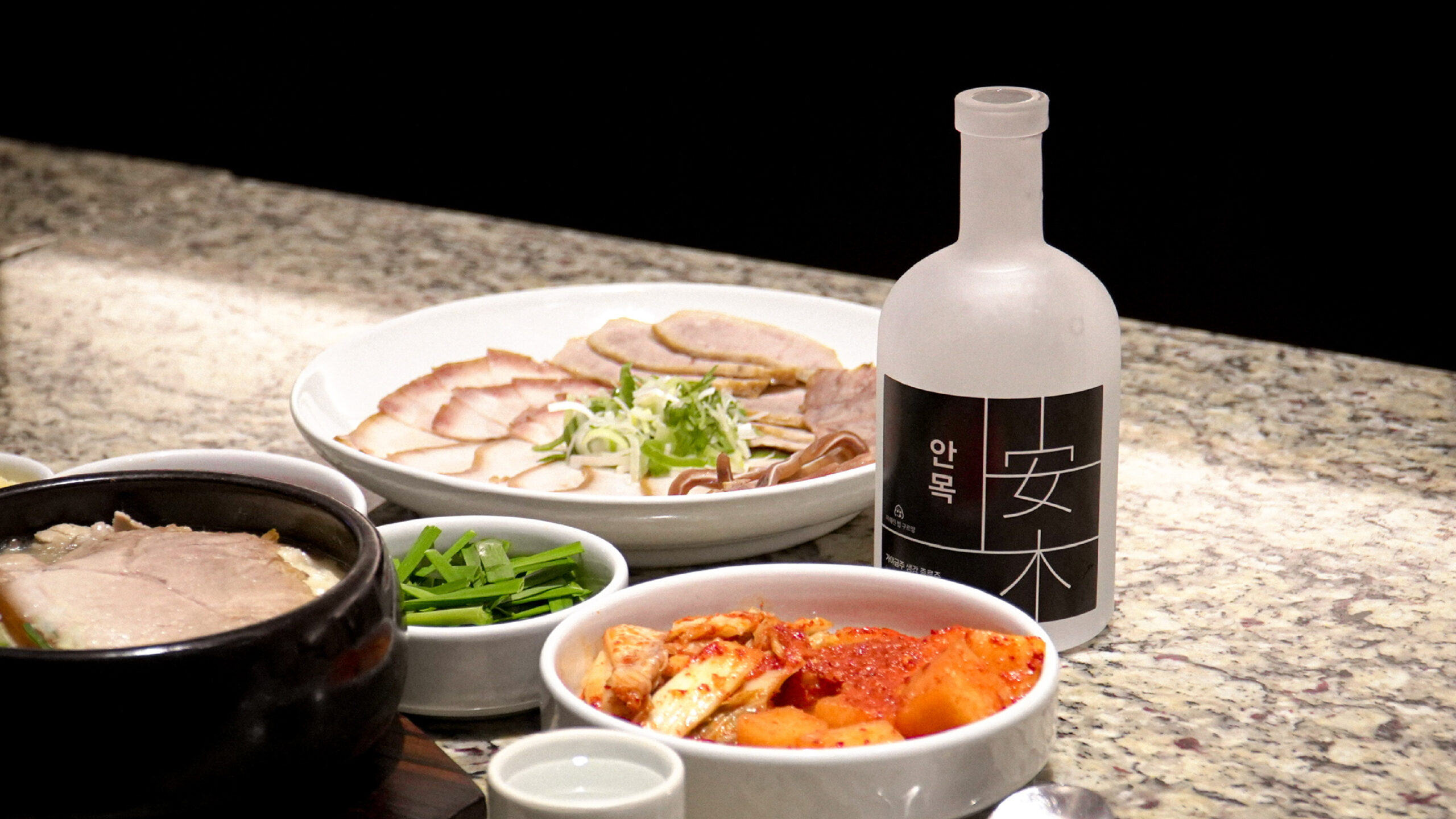
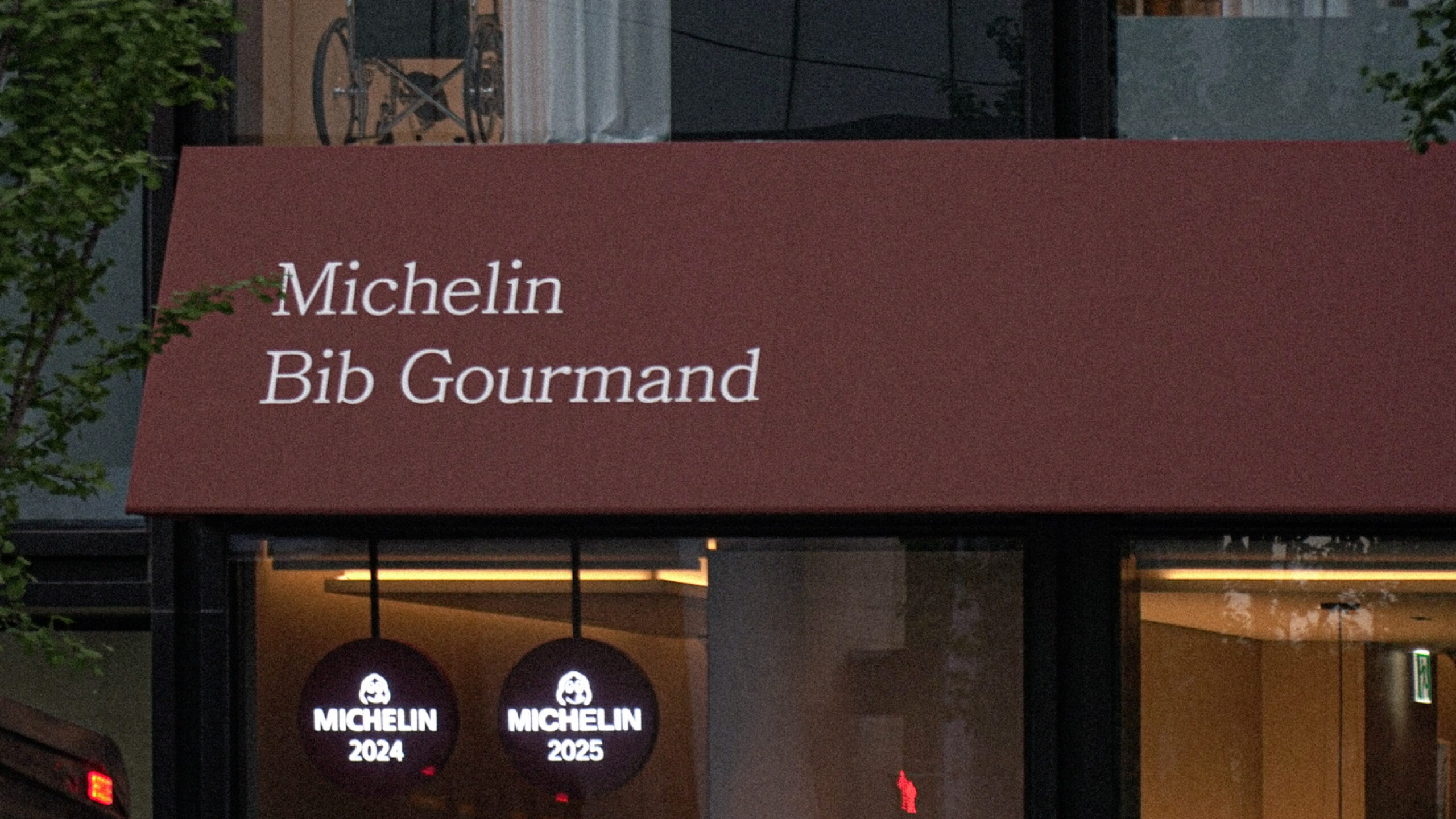
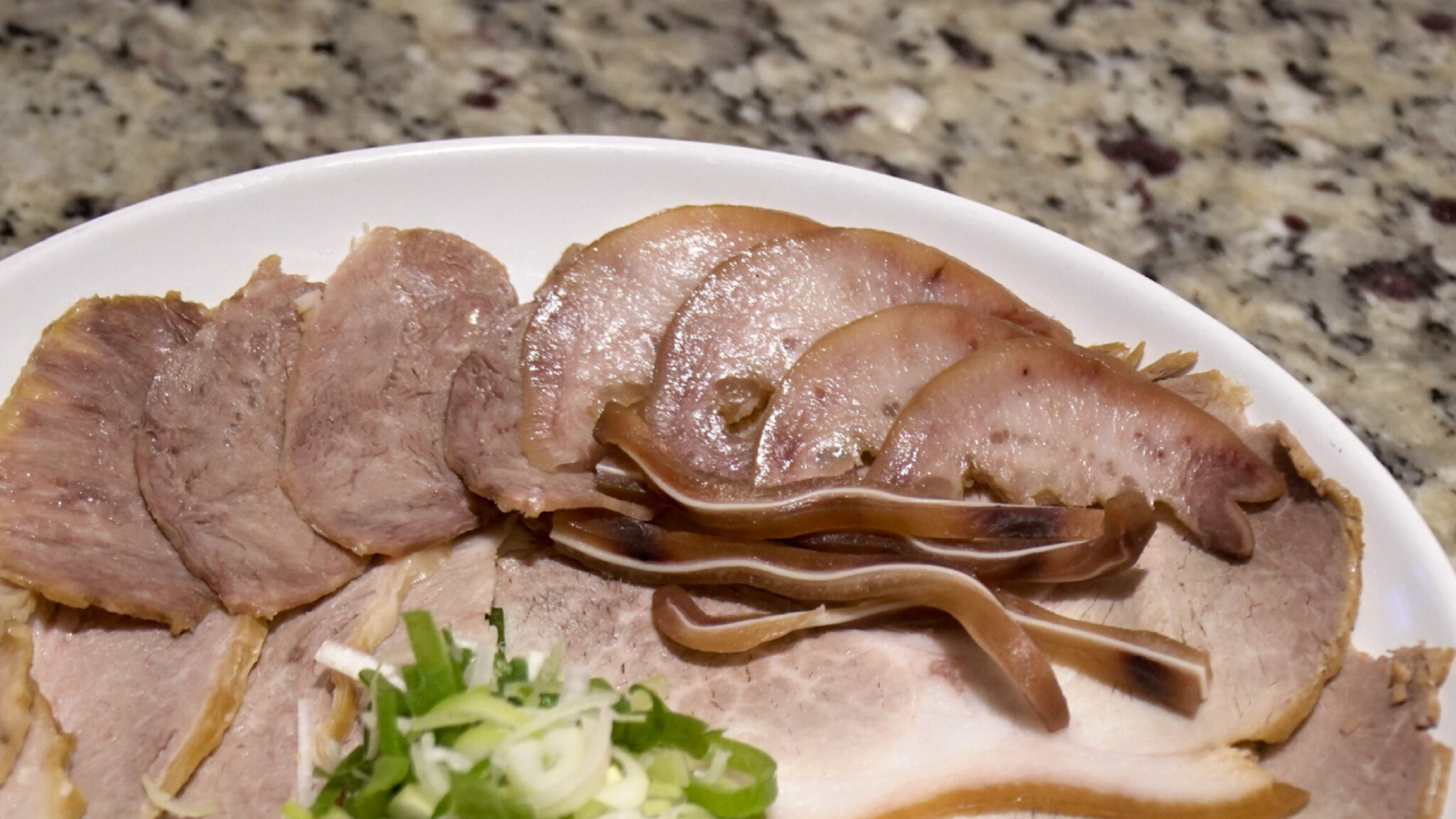
Busan’s dishes reveal its history. The soup dwaeji gukbap was born of pork bones discarded by American soldiers during the Korean War. Find a slightly elevated version at the original Namcheon-dong location of Anmok, a chain that uses a broth simmered for 24 hours (10,000 won; reservations recommended). Another Busan signature, milmyeon, was developed by refugees from the North. Looking to recreate naengmyeon, a cold noodle dish made of buckwheat, they used wheat flour provided by U.S. military rations. Get it at Seomyeon Milmyeon — a no-frills restaurant in central Busan known for its sweet and spicy red sauce (9,000 won). More adventurous eaters can also try puffer fish, toxic to eat only when improperly prepared, and a local delicacy, in soup (from 12,000 won) at Kumsu Bokguk, a longstanding restaurant near Haeundae Beach.
오후 12시 30분 — 향토 음식으로 점심 식사
부산의 음식은 이 도시의 역사를 보여준다. 돼지국밥은 한국전쟁 당시 미군이 버린 돼지 뼈에서 유래한 음식이다. 24시간 동안 우려낸 육수를 사용하는 체인점 ‘안목’의 원조 남천동 지점에서 한층 고급스러운 버전을 맛볼 수 있다. (1만 원, 예약 권장)
또 다른 부산의 대표 음식인 밀면은 북쪽에서 내려온 피란민들에 의해 만들어졌다. 메밀로 만드는 차가운 국수인 냉면을 재현하고자 했지만, 대신 미군 군용 배급품으로 제공된 밀가루를 사용했다. 부산 중심부의 소박한 식당 ‘서면밀면’에서 이를 맛볼 수 있으며, 이곳은 달콤하면서도 매콤한 붉은 양념으로 유명하다. (9천 원)
좀 더 모험적인 미식가라면, 제대로 조리하지 않으면 독성이 있는 복어를 넣은 지역 별미 복국도 시도해볼 수 있다. 해운대 해변 근처의 오랜 식당 ‘금수복국’에서 복어국을 판매하며 가격은 1만2천 원부터 시작한다.


Emma Emily 2023년 03월 07일
Restaurant ultricies nibh non dolor maximus sceleue inte molliser rana neque nec tempor. Interdum et malesuada fames ac ante ipsum primis in faucibus.